CASE STUDIES - The Problems We Solve
Collaborative Problem Solving and Systems Alignment
MI BEHAVIORAL HEALTH & WELLNESS COLLABORATIVE
Michigan’s behavioral health providers are navigating a broken system. North Coast Strategies is elevating their voice to address inequities and drive transformative change focused on person-centered care.
After the reorganization of community mental health in Michigan and the creation of the Detroit Wayne Health Integrated Network, nonprofit providers were concerned about the future viability of their organization. In 2014, the CEOs of 18 well-established community mental health organizations, serving 80,000 people and employing 12,000 people, who often competed against each other, started having conversations about how to ensure the long-term sustainability of their organizations.
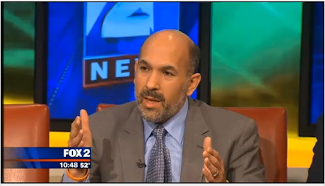
Daniel Cherrin was brought in to help facilitate those conversations. After finding opportunities to work together and developing trust among the CEOs, the MI Behavioral Health & Wellness Collaborative became recognized as a 501(c)(6) and has become Michigan's leading voice of community mental health providers. Since 2015, Daniel has been leading the collaborative, facilitating bimonthly meetings, and serving as the spokesperson for the community mental health providers. Through the Collaborative, we share best practices, monitor legislative and regulatory proposals, and work together to help our independent agencies work more effectively through collaboration, increased awareness, and capacity.
MICHIGAN ASSOCIATION OF SUBSTANCE ADDICTION PROVIDERS
Addiction treatment and preention remain sidelined in healthcare. We’re working to make them a statewide priority and a catalyst for system transformation.
Substance Use and Addiction Providers in Michigan, were not getting the resources or attention they needed to support people in the community. To get their voices heard, the Michigan Association Substance Addiction Providers (MIASAP) retained Daniel Cherrin to structure their meetings, help develop a strategic plan, implement that plan, and develop relationships with legislators and other elected officials. Cherrin leads monthly meetings for SUD providers and worked with the association's membership to revise its bylaws and professionalize the volunteer-led association as a 501(c)(6).
THE ANN ARBOR AREA TRANSPORTATION AUTHORITY (THE RIDE)
For years, elected officials in Washtenaw County talked about the county’s growth as issues related to traffic and road congestion grew into problems. After a countywide initiative failed, the Ann Arbor Area Transportation Authority (AAATA), which operates public transit in the Ann Arbor-Ypsilanti area, convened regional stakeholders to identify a reasonable and realistic solution to the county’s congestion problems. Daniel Cherrin was retained to facilitate the discussion among the local elected leaders. After a series of meetings over a year, the regional stakeholders supported a proposal to take to the voters for approval to create an urban transportation strategy and expand service throughout the county.
A few months later, voters in Washtenaw County overwhelmingly approved by 71.4 percent the 0.7 millage, and today the AAATA is implementing an urban transit strategy with plans to support communities throughout the region. Voters approved the millage partly because it was needed and because the government leaders in Washtenaw County identified a problem and worked together to find a solution.
As a result of the facilitated discussions, listening to public input and analyzing specific suggestions, the AATA:
Developed a 5-Year Transit Improvement Program (5YTIP) for the Urban Core of Washtenaw County.
The City of Ypsilanti (August 15, 2013) and Ypsilanti Township (December 17, 2013) joined the AATA.
The AATA board adopted a five-year transit improvement program that was based on a proposed program presented to the working group in March 2013 and refined through community feedback on Jan 16 2014.
A new funding model for expanded service and hours for a new urban core transit plan was approved by the voters in May 2014.
Changes to TheRide Governance Structure – MGF or Board member
Strategic Counsel & Institutional Decision-Making
THE DETROIT WINDSOR TUNNEL
Following 9/11, new border regulations, economic downturns, declining traffic volumes, and heightened federal scrutiny, the Tunnel faced operational strain, legislative risk, and financial instability. Competing political interests, shifting federal mandates, and ownership uncertainty created real exposure. Bankruptcy proceedings added additional public scrutiny and uncertainty about long-term control of the asset. At stake was not just traffic flow, but governance, funding, staffing, and public oversight of a critical cross-border infrastructure link.
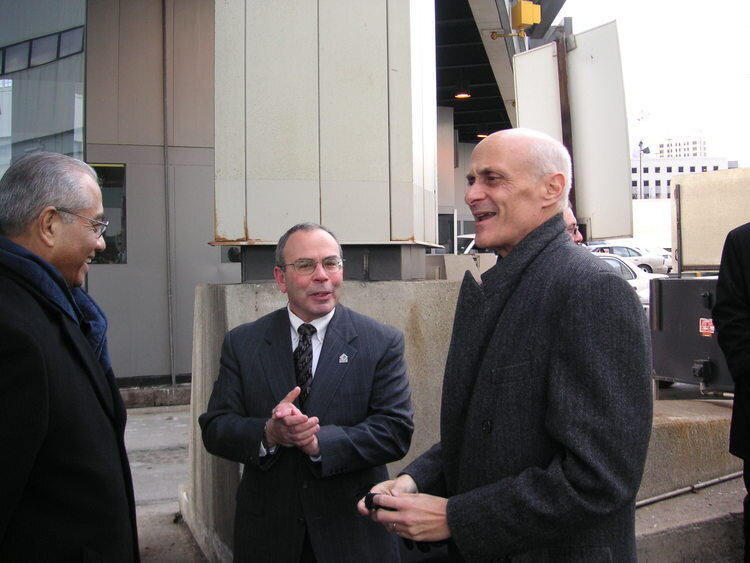
The Detroit Windsor Tunnel is the busiest passenger border crossing between Canada and the United States and ranks among the top 15 crossings nationally. For more than two decades, North Coast Strategies has advised its operators across federal, state, and municipal levels of government, integrating legal strategy, legislative advocacy, regulatory navigation, and public positioning around one of North America’s most visible infrastructure assets. The work has included securing federal appropriations, reshaping state legislation, adding NEXUS lanes and Customs capacity, facilitating a public-private partnership that increased border throughput by 25 percent, and guiding leadership through Chapter 11 restructuring under national media scrutiny. The result was not just funding or favorable coverage, but long-term operational stability and preserved public oversight of a critical international gateway.
Reputational & Institutional Risk.
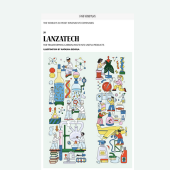
LANZATECH
LanzaTech had commercially viable carbon capture and transformation technology and growing global partnerships, but it faced a credibility gap at a critical growth stage. Its science was complex, the climate tech market was crowded, and the company was preparing for major capital events including a SPAC and Nasdaq listing in a volatile environment. To attract investment, secure global brand partnerships, and withstand scrutiny, LanzaTech needed a disciplined narrative that translated synthetic biology and industrial decarbonization into clear, credible language investors, policymakers, and the public could understand and trust.
As LanzaTech (LNZAW) moved from emerging climate innovator to publicly traded carbon transformation company, the central challenge was credibility at scale. The company was advancing complex synthetic biology and carbon capture technology in a volatile capital market environment, navigating a SPAC transaction, increased investor scrutiny, and public debate around climate solutions. The risk was not lack of innovation. The risk was misunderstanding, oversimplification, or narrative drift at a critical institutional moment
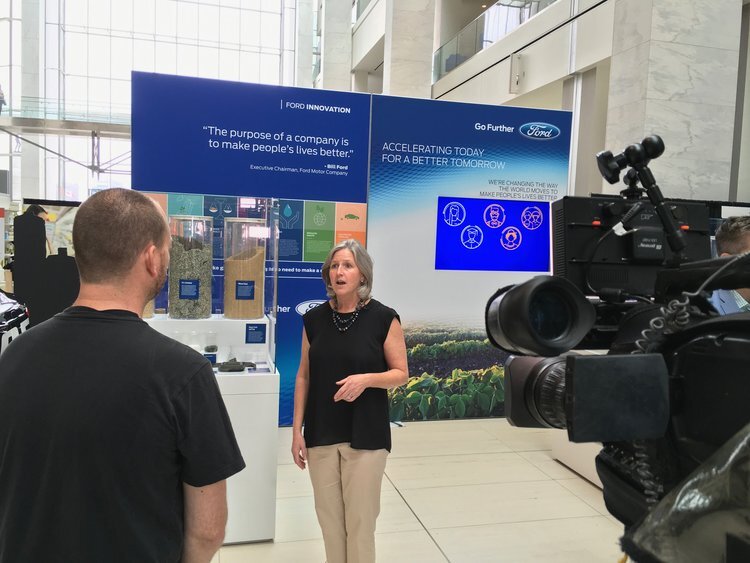
North Coast Strategies developed and led a disciplined communications strategy that aligned investor messaging, media engagement, brand partnerships, and executive positioning. We shaped the narrative around LanzaTech’s commercial validation, industrial partnerships, and real-world deployment of its technology.
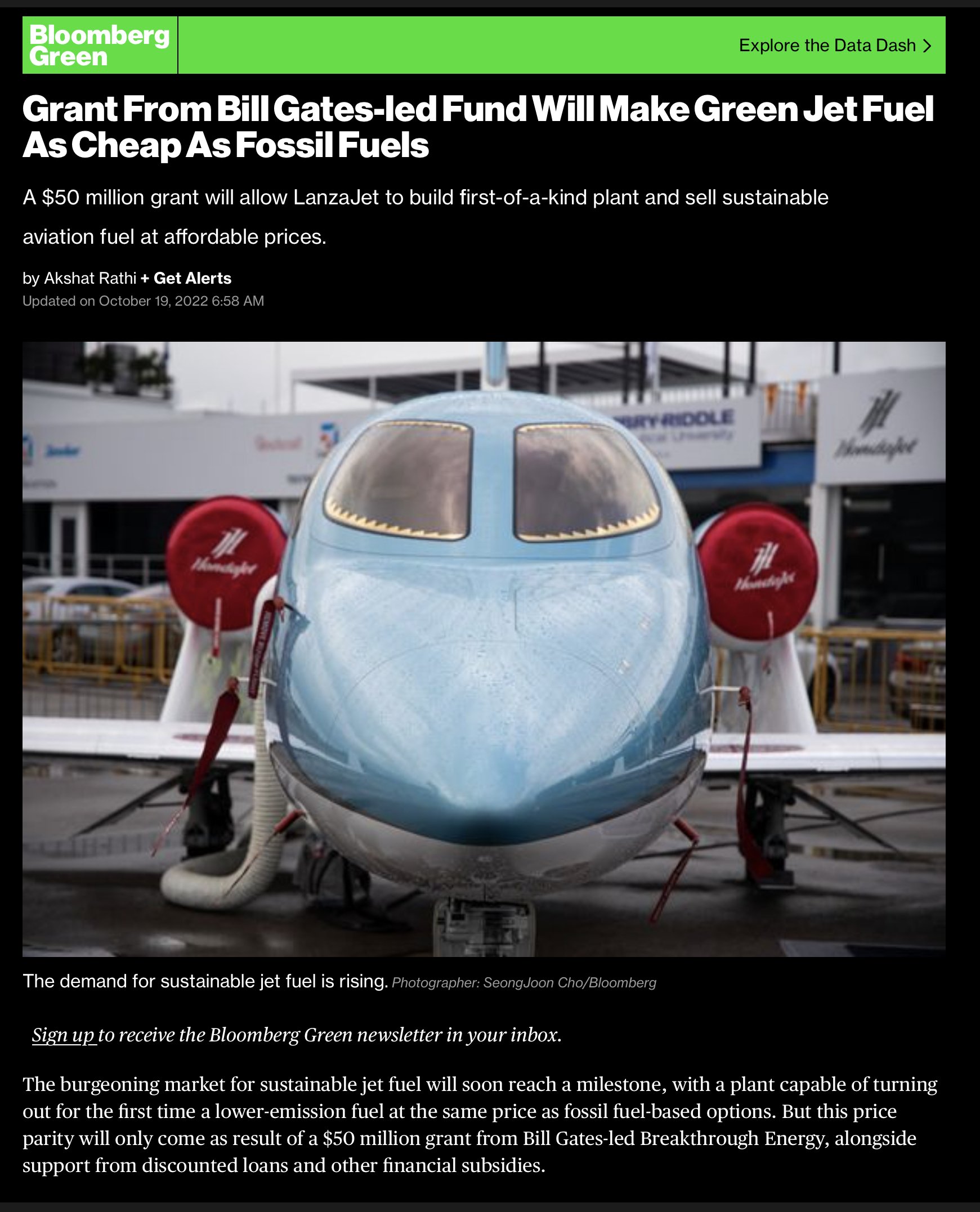
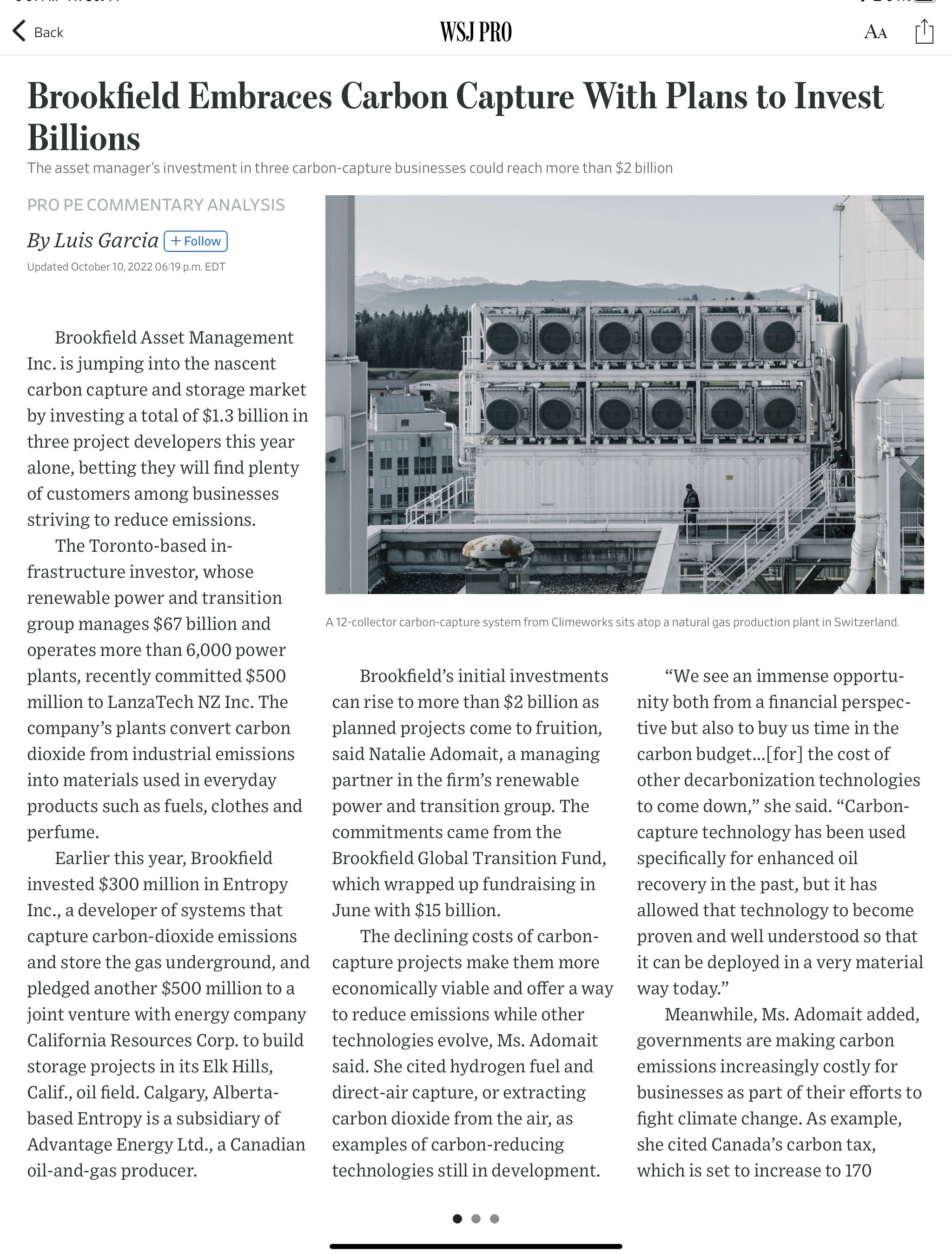
This included securing high-impact coverage in Bloomberg, The Wall Street Journal, The Economist, Fast Company, Forbes, CNBC, CNN, The New York Times, Vogue Business, and other global outlets. We supported milestone announcements, including a $1 billion investment from Brookfield Renewable Partners, and helped frame the company’s Nasdaq listing following its $2.2 billion SPAC transaction.
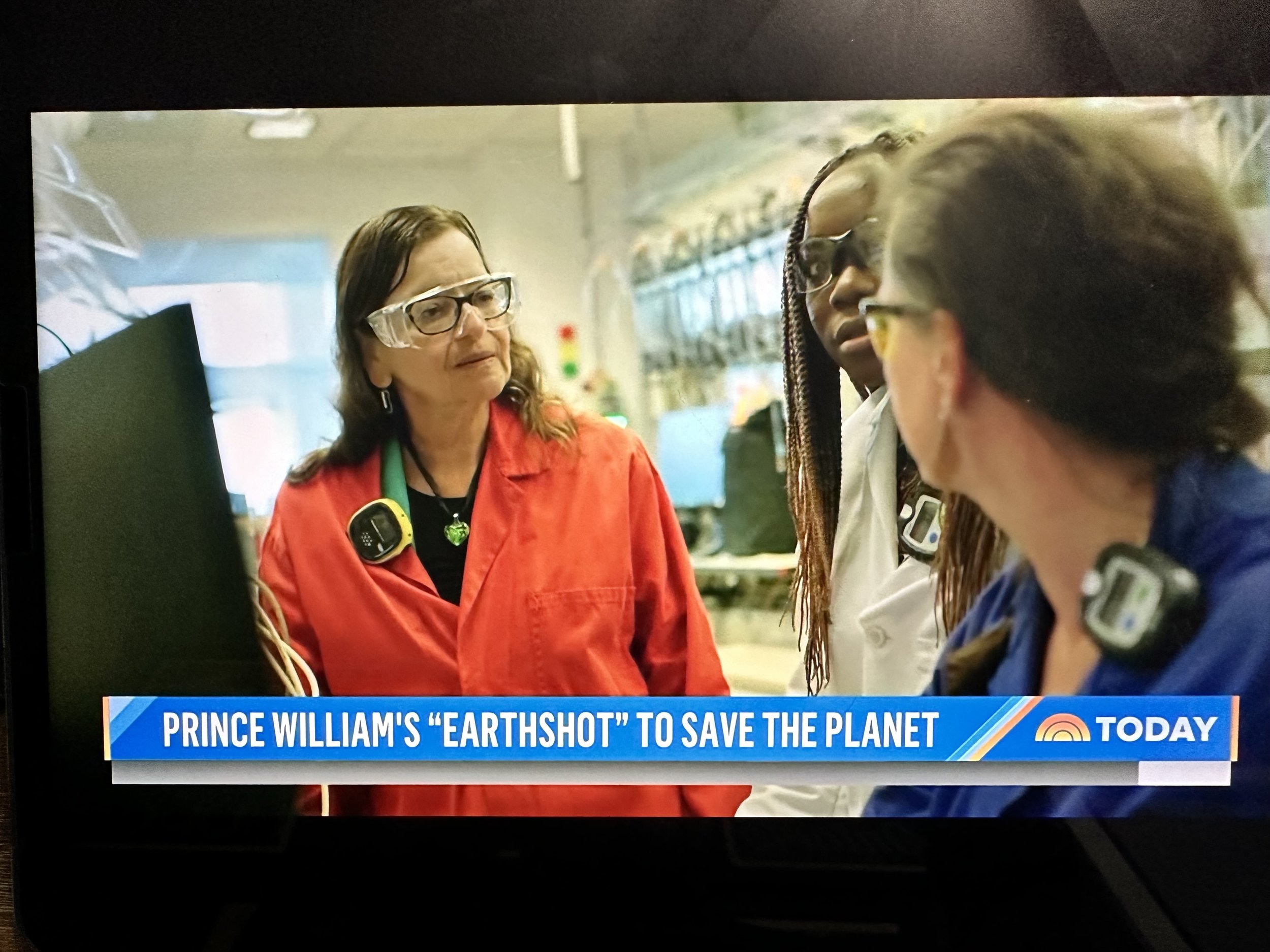
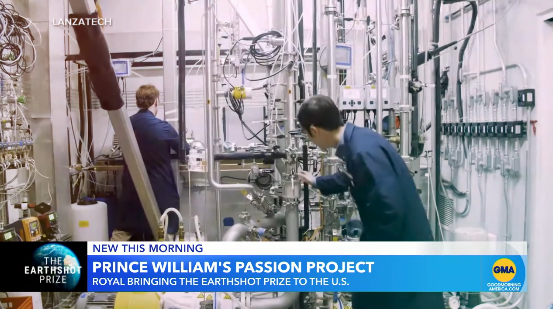
Beyond media strategy, we developed award submissions and institutional positioning that resulted in LanzaTech being named a finalist for The Earthshot Prize, Prix Voltaire, one of Fast Company’s Most Innovative Companies, TIME’s 100 Most Influential Companies, Fortune’s Change the World list, and Inc. Magazine’s Best in Business. We also supported thought leadership content, executive messaging, White House appearances, and public-facing communications during leadership transition ahead of the company’s IPO.
The result was not simply coverage. It was institutional validation. LanzaTech moved from promising technology to recognized market leader in the circular carbon economy, with its credibility reinforced across capital markets, policy environments, industry partnerships, and global media.